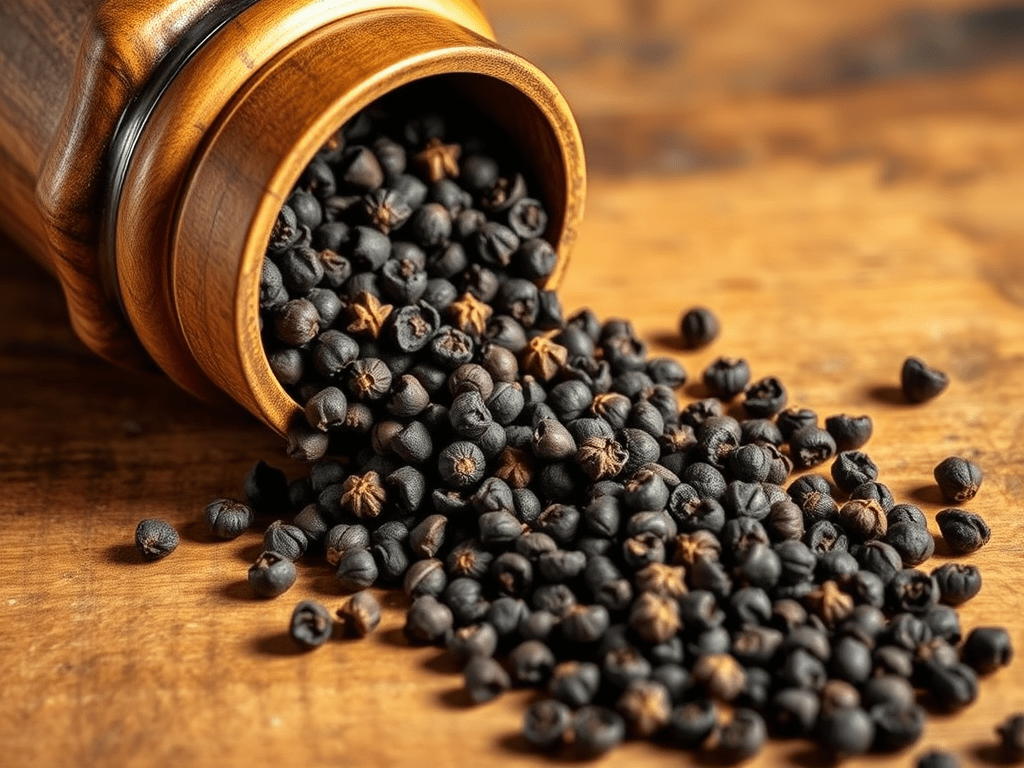

Through the eyes of an ancient being who has witnessed centuries of change, this series explores how once-rare delicacies have become everyday staples.
Today, we delve into pepper—a common spice that once ruled as the currency of the world.
Eldrin’s journal entry
Year 1995, Date: 293
Dear Diary,
Today I was reminded of a life long gone. I visited the southern part of India after a long time and had the chance to taste the ever-staple black pepper rasam with rice. This humble dish took me back to the ancient meals of Europe. Yes, Europe. In those days, spices were symbols of wealth, and European kings and queens would lavishly drench their meals in pepper. Strangely, the Indians—despite their abundant access to this spice—used it sparingly, just enough to season the food to perfection.
Let me tell you more about this particular spice and its deeply rooted history with greed. After all, this is a story older than I am.
***
The story begins during my young adulthood, around 350 BCE. The exact dates evade me now, but this was a time when I was still living with my mother. Among her most cherished possessions was a pepper necklace—black peppercorns strung on a golden thread, interspersed with pearls. It was a gift from her childhood friend, King Ramses II of Egypt. My children, amusingly, know him only as the villain from The Ten Commandments. Back then, pepper was so valuable that this necklace was counted among her most treasured jewels.
At the time, Greece was a peaceful empire. The vast conquests of Alexander the Great had subdued much of the barbarian tribes, making it one of the most tranquil periods of my life. Yet, the allure of exploration tugged at me.
A few centuries later, I found myself traveling along the Mediterranean before deciding to embark on an arduous journey to the land of spices—Kongu. It was there that I met a merchant named Euphemios, who owned two trading ships. One of these ships regularly carried spices from Kongu, the land of black gold.
By 30 BCE, both my mother and I felt the tides of war stirring. We decided to leave the Mediterranean behind. She journeyed northward to the colder lands, while I chose to sail with Euphemios to the unseen tropical shores, abundant with the prized black pepper.
The sea journey was a tedious one, as it was my first time on such a long voyage across the rough oceans. Surprisingly, the second half of the journey was smoother and faster. “The pathway blessed by Poseidon,” as Euphemios often called it. The ship took full advantage of the monsoon winds, gliding effortlessly toward its destination.
Eventually, we landed at the port of Musiri, in the land ruled by the Cheras. The lush, green tropical landscape was a sight to behold—so vibrant, so alive. The revered spices of Greece, symbols of wealth and luxury, seemed to hold little value here, reduced to mere kitchen condiments. Fascinated by this world, I decided to stay for the next decade, immersing myself in the culture and rhythm of this land.
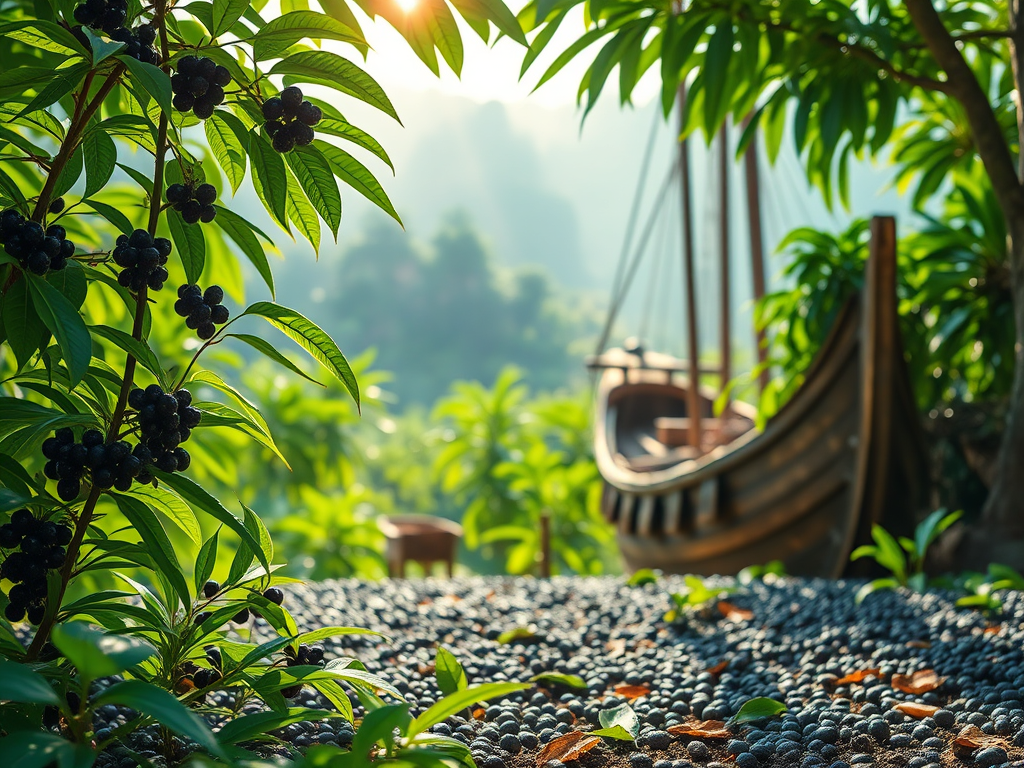
Several years later, I crossed paths with Euphemios again. His face, lined with experience, still bore the glint of ambition. “My friend,” he began, “it was by the grace of the gods that you avoided the war. Life has been hard since the Romans invaded our lands. I survived only because of the wealth I had amassed. For that, I am grateful.”
Seeing the concern etched on my face, he added with a reassuring smile, “Don’t pity me. I’m faring much better than most.” He took a sip of the buttermilk we were sharing, his expression calm but reflective.
“There isn’t a single year,” he continued, “when Kongu doesn’t drain the Kingdom of 500,000 gold coins. Now it’s Roman’s turn to bear the cost” A smug smile crossed his lips. “This will be my last journey, my friend. I’ve seen all I wanted to see. Now, it’s time to enjoy the fruits of my labour.”
With those words, we parted ways for the last time. No matter how many lifetimes I live or how many friendships I forge, the ache of saying goodbye never fades.
***
Several centuries went by as I wandered, exploring the tropical lands. Eventually, I felt the pull of the north. A stranded wayfarer once told me that these lands were connected not only by the vast seas but also by the soil beneath our feet. Intrigued, I decided to take the overland route back to the Mediterranean.
Crossing harsh mountains and unforgiving deserts, I joined a group of nomadic traders who welcomed me into their caravan. They were peddling the very spice trade that had drawn me across the sea centuries ago.
“Let me show you the black gold, my friend,” said Hassan, one of the traders. With a flourish, he produced a small pouch filled with black peppercorns and a tiny glass vial containing finely ground pepper. His eyes sparkled with mischief as he continued, “We had to fight dragons to acquire this! Every pepper tree is guarded by a dragon, and we must burn the tree and the beast to claim this delicacy.”
As I listened, amused by his tale, he leaned closer, sprinkling a pinch of the powdered pepper onto my roti. “Because you’re my friend, you get to taste a flavor most men only dream of,” he added with a sly grin.
Before I could respond, another trader, Ali, joined the conversation. “Do you even know who you’re talking to?” he asked, a touch of mockery in his tone. Turning to Hassan, he gestured toward me with exaggerated reverence. “This master here is the one who gave me that powdered vial. He hails from the Kongu Kingdom itself!”
Ali’s words caused a ripple of silence, followed by a burst of laughter from the rest of the caravan. Hassan’s expression shifted from smugness to sheepishness as he realized his audience was no ordinary traveler.
Smiling at their banter, I asked, “How did you come to this trade? The port of Musiri was shut down nearly 200 years ago, and with it, the pepper trade seemed to vanish. I didn’t realize pepper was still in such demand.”
Ali leaned back thoughtfully, his gaze lost in the horizon. “The demand for pepper never waned,” he began. “The sea route may have been lost when the Visigoths invaded Rome, but the spice itself remained a treasure. Did you know that 3,000 pounds of pepper were offered as ransom to the Visigoths? Even that wasn’t enough to satisfy their greed.” His voice carried the weight of a story retold through generations, as though he had lived it himself. “So much knowledge and trade were lost in that invasion.”
“Yes, like killing the goose that laid golden eggs,” Hassan added, his voice tinged with both lament and pride. “But one man’s bane is another’s boon. Thanks to the knowledge lost to time, we now carry the torch. We are the only ones who trade spices across the world.” His eyes gleamed with the pride of a heritage steeped in resilience and ingenuity.
The more time I spent with them, the more I came to admire their stories, their heritage, and the vast desert sands that seemed to stretch endlessly in all directions. Their nomadic lives, steeped in tradition yet full of constant movement, fascinated me.
I decided to stay a few more years, learning their ways and walking the endless dunes as a trader of spices.
***
A few centuries passed as I continued my life as a nomadic trader, until I met Pietro somewhere around 750 CE. He hailed from the City of Venice, which had now emerged as a powerful naval force. The Venetians were buying up all the pepper from desert traders, and Pietro operated one of the ships that sailed from Alexandria. The ancient port-city had once again become a thriving trading hub, bridging the East and West. With his help, I made my way to the Kingdom of Italy.
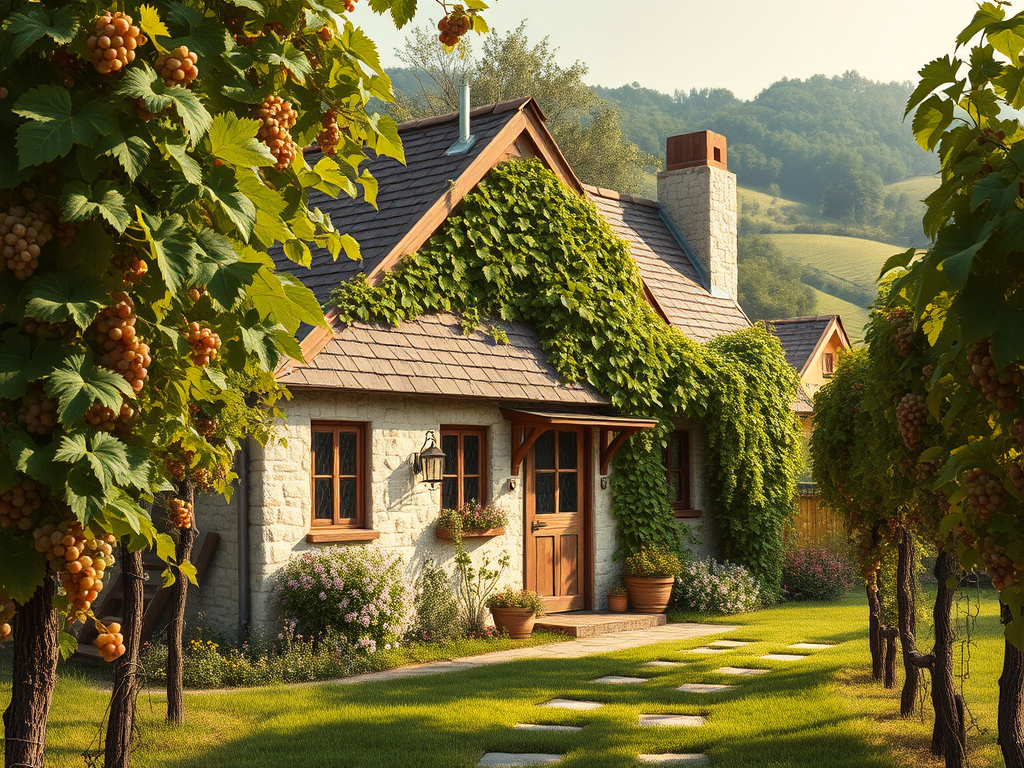
It was during this journey that I met her—Thalindra. A kindred spirit, another being like myself. She too had led a nomadic life, but there was something in her eyes that spoke of a longing for stability. She had spent years searching for a place to call home, and fate had brought her to Alexandria. Together, we decided to venture towards Siena, where we found peace in a quaint little cottage surrounded by grapevines. It was a simple life, yet one of the most fulfilling I had ever known.
One evening, we were invited to a grand feast hosted by a noble family. It was a memorable event—though not for the reasons one might expect. The dishes at the feast were overflowing with spices, pepper heaped on everything to the point of inedibility. Pepper, once a simple spice, had become the hallmark of wealth and status. Thalindra and I exchanged amused glances, sharing a private laugh as we realized how far the world had come. That very pepper, the same we had once traded as humble merchants, had now become a symbol of luxury. And yet, it was the very same pepper that had allowed us to buy our home, not with gold, but with the seeds of black gold.
Those were some of the happiest years of my life. Thalindra and I, in the same Mediterranean lands that had shaped my youth, watched our children grow into adults. As they blossomed into their own selves, they ventured out into the world, and eventually, as empty nesters, Thalindra and I faced a new chapter. We parted ways to explore the world individually, a bittersweet moment but one of renewal. It was not the end, but the beginning of something new—a journey that, like the seasons, would always return in different forms.
Though we went our separate ways, Thalindra and our children are never far. Thanks to the wonders of modern technology, I can see their faces in an instant, no matter where I am. I am grateful for these connections, these threads that bind us, even as time moves relentlessly forward.
— To be Continued…

 An Average Being
Leave a comment