
Through the eyes of an ancient being who has witnessed centuries of change, this series explores how once-rare delicacies have become everyday staples.
Today, we continue with pepper—a common spice that once ruled as the currency of the world. (Part 1: Check Post)
Eldrin’s journal entry
Year 1995, Date: 300
Dear Diary,
Let me pick up from where I left off – the Spicy pepper that reminded me of my life with Thalindra. After parting ways, I decided to continue to stay in Europe while Thalindra left to explore the vast seas.
It was the year 1512, and I found myself in Lisbon, a city so wealthy that its streets were said to be paved with gold—metaphorically, of course. The riches of trade, particularly spices, silk, and precious metals, flowed through its bustling ports, elevating it to one of the grandest cities of its time. Art flourished, as the wealthy began sponsoring artisans during the Renaissance—the era of rebirth and creativity.
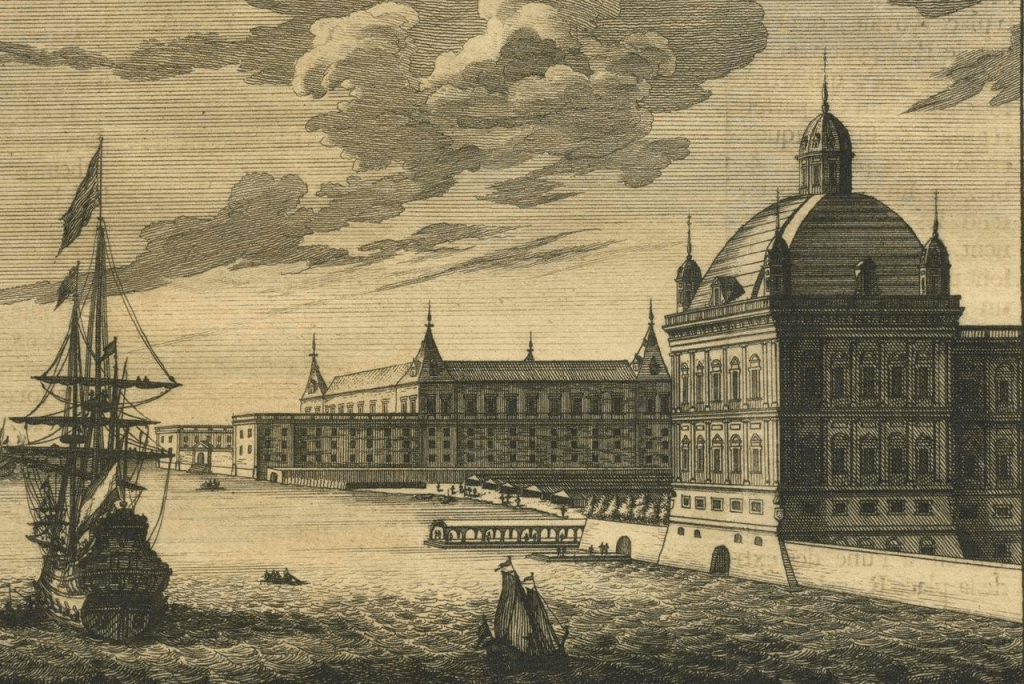
Over the past year, I spent my days strolling around the majestic Ribeira Palace. It was truly an architectural marvel, its grandeur unmatched. Sadly, I later learned that it was destroyed a century later by a devastating earthquake, followed by a tsunami. Its loss marked the end of an era for a city that had once stood as a beacon of wealth and culture.
By then, I had become the confidant of Queen Maria—the Queen of Portugal. Despite all my years on Earth, this was the first time I had forged a relationship with royalty and the ruling class. I had avoided such ties in the past, heeding my mother’s warning about the dangers of getting too close to power. But with time, I gained the confidence to step into that world, albeit cautiously.
I soon realised that living among royalty required a delicate balance. They lived in a bubble, far removed from the struggles of others, and their power often made them blind to dissent. Even the slightest disagreement could spark their wrath. I learned to tread carefully, ensuring I never provoked their ire and always keeping an escape plan ready.
It was a way of life that, looking back, I would never wish to repeat nor impose upon my children. Constant vigilance and the need for swift escape drained the soul in ways that only centuries of experience could teach me.
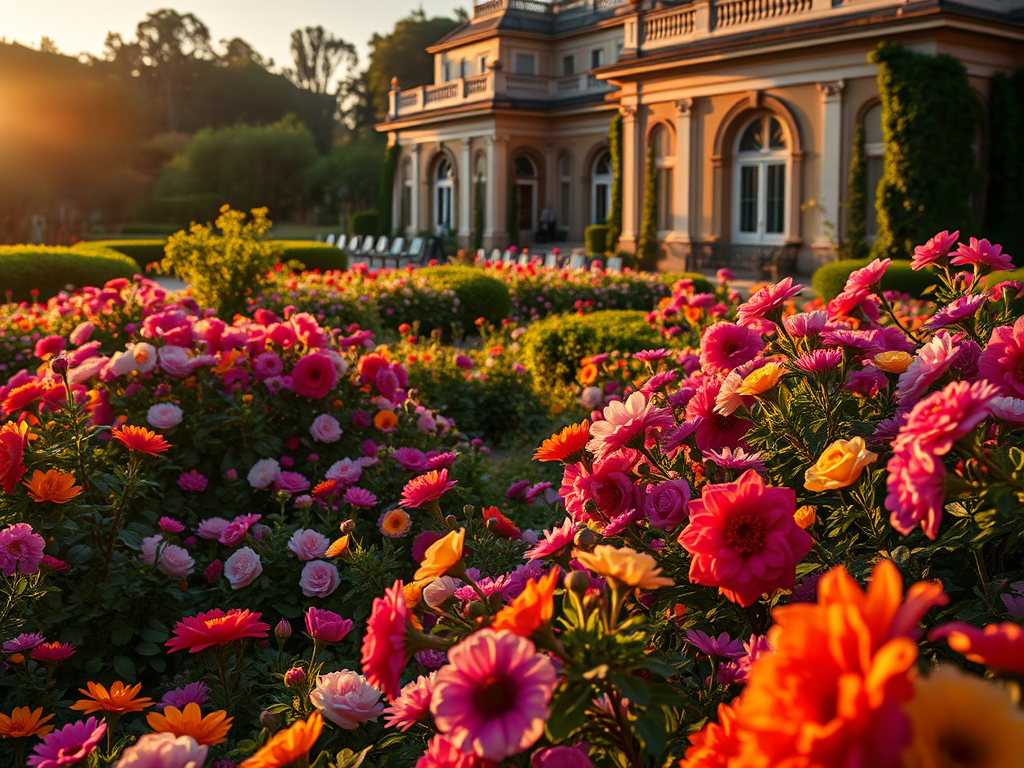
One fine evening, I found myself strolling through the Queen’s flower garden, sharing her company in the golden hour of twilight.
“You have been to Travancore, you say. When was that?” she asked, her tone curious yet composed.
“No, Your Majesty,” I replied. “I met a man during my travels in the desert. He told me that he was from Travancore and that he had joined the Persian nomads for trade.”
“I see,” the Queen said, her tone contemplative. “Once, they dominated all trade—not just the pepper trade. But now, it is our turn.”
“I heard Vasco da Gama was seen as the harbinger of fortune for the Kingdom of Portugal. It seems wealth followed in his wake,” I remarked.
The Queen let out a palpable laugh. “It was Pero da Covilha—our spy—who bravely ventured the seas in 1490, eight years before Vasco.”
I smiled apologetically. “That is something I did not know.”
“The true harbinger of our success was the fall of Constantinople,” the Queen continued, ignoring my interruption. “When their once-mighty navy crumbled, Portugal claimed the seas. Even before that, Venice never dared venture beyond the Mediterranean. It was we who braved the journey around Africa to reconnect with the land of spices.”
Her words lingered as the evening light bathed the garden in gold. I nodded, letting the conversation drift into silence, her gaze now fixed on the blooms ahead.
For a moment, neither of us spoke, the quiet broken only by the rustle of leaves. History, like the garden, seemed ever-changing, and I couldn’t help but feel like a fleeting witness to its grandeur.
***
A few years passed as I mingled with the various powers of Europe. By 1797, I had left behind the glamour of high society and returned to a simpler life as a commoner. My journey began in the Netherlands, where I wandered through the countryside, frequenting local pubs and mingling with all walks of life.
During those days, I even encountered a tea trader—but that tale is for another time. Let me instead speak of the year 1798, when I crossed paths with a seasoned gentleman who had retired from the Dutch East India Company.
As the fire crackled in the hearth, I noticed the man before me—a seasoned figure, perhaps around 65, with silver hair and hands weathered by time—settling comfortably into the worn leather chair. The lines on his face told stories of long years spent at sea and in foreign lands.

He took a long drink from his glass before leaning forward, his voice rich with experience. “Ah, you want to know about my days in the Dutch East India Company. Well, I joined when I was a lad of 20, full of adventure and ready to sail. Spent over forty years with them, trading spices and silk, navigating the treacherous waters of Indonesia, and dealing with the Portuguese, the British, and even the local rulers. By the time I retired, I had seen the Company’s glory—whatever was left—dwindle further.”
He let out a sigh, his eyes distant as though reminiscing about a time long past. “The truth is, the Dutch East India Company had been struggling for years even before I joined. There are talks now about shutting it down by next year. It’s a far cry from the days when we were the undisputed masters of the spice trade.”
I leaned in, intrigued by the history he was hinting at. “I was aware of the rumors, but I didn’t know it was that bad. I’ve heard stories of my great-grandfather wanting to join the Dutch East India Company. World trade domination, they called it,” I said, weaving in a small deceit I often use in casual conversation.
The man’s gaze turned thoughtful as he gazed into the fire. “Yes, those were the days of glory. It all started with the Portuguese, you see. They were the first to dominate the spice trade. But then, in 1595, Cornelis de Houtman broke their monopoly by reaching Indonesia. That was when the Dutch East India Company was born, in the early 1600s. We had the upper hand for nearly a century, even driving the Portuguese out of the Moluccas within the next five years.”
“Was the land of spices called Travancore?” I asked, trying to recall the right name for Kongu during this era.
He nodded, the memories flooding back. “Yes, in the 1660s, Travancore was a key point in our trade. But by 1670, things started to shift. The British East India Company began to cultivate spices in their colonies, and our control over the spice trade began to weaken. And, of course, Japan—once a valuable trading partner—closed its doors to us. By the time the 18th century rolled around, we were struggling to maintain the dominance we once had.”
“I guess, but it’s been a long time since I had anything spicy. What happened? Were the British unsuccessful?” I asked, genuinely curious about the lack of the well-sought-after spice.
“It’s the French,” the man said. “Their influence on cuisine changed the demand for pepper.”
“To make matters worse, the ruler of Travancore defeated us at the Battle of Colachel in 1741, reclaiming control of the lands. That was the beginning of the end for our spice empire.”
I let the weight of his words settle before asking, “And then, how did the Company hold on for so long?”
“I don’t know. The wealth of the Company had already dwindled. People started losing interest in the spice trade, and those who remained were left with only the remnants of our former glory. Last year, Jonathan Carnes from Massachusetts sailed into New York carrying Sumatran pepper worth a fortune—he essentially marked the rise of Salem as the new spice trade hub. The world had moved on, and now here we are, just waiting for the inevitable.”
He paused, shaking his head. “The Dutch East India Company… it’s been a good run. But it’s clear, by next year, it will be no more. A sad end for such a powerful force in history.” He finished his drink, staring into the fire as though searching for something lost to time.
“The world keeps changing,” I said softly, breaking the silence. The atmosphere had grown quieter, and I couldn’t help but notice the sadness etched into his face. “Empires rise, empires fall… and what once was precious becomes ordinary.”
He offered a faint smile, a mix of pride and resignation crossing his features. “It’s the way of things. But don’t let an old man’s nostalgia keep you from your adventures. There’s always something new waiting just beyond the horizon.”
I rose to leave, the warmth of the fire casting long, flickering shadows across the room. His gaze returned to the flames, distant and pensive. I wondered if he was seeing the glories of the past—or imagining a future he would never witness.
***
The Dutch East India Company shut down the following year, marking the end of an era—and the spice wars. By then, pepper had become a common commodity, affordable to all and no longer revered as it once was. Ironically, the fierce competition to control this precious spice had made it widely accessible. Although London eventually rose to prominence as Europe’s spice hub, the once-burning demand for spices had diminished, leaving its dominance largely unnecessary.
— The End —

 An Average Being
Leave a comment